May Birthstone: Emerald
Emerald is the birthstone for May and we are here for the spring green love. Celebrating these green dazzlers is a delightful homage to nature’s renewal and vitality. The lush…

Holloway Cut Adviser takes fish-eye into account. Fish-eyes occur between the following pavilion depths and table sizes:
41 degree pavilion and 72.2% table
39 degree pavilion and 58.4% table
Diamonds with these proportions show fish-eyes that require no tilt to see them. If the table gets 1% bigger you see a 1% more fish-eye.
We down grade fish-eyes in value, a bit like an inclusion, because that is what they look like.
HCA will give “do not buy this diamond under any circumstances as it is a fish-eye” comment if the fish-eye is very bad.
A small amount of tilt to see a fish-eye is acceptable because these diamonds have a very good spread and look very big for the money. If the fish-eye can only be seen with 5 degrees or more tilt then we consider the diamond to be ideal.
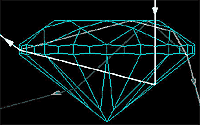
Fish-eye cut ray path
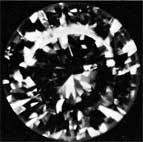
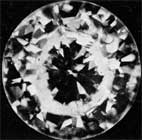
Fish-eye examples
Diamond Grading ABC
V Pagel-Theisen
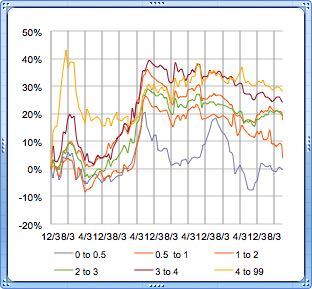
Retail Diamond Prices Chart Updated Monthly.

Emerald is the birthstone for May and we are here for the spring green love. Celebrating these green dazzlers is a delightful homage to nature’s renewal and vitality. The lush…

Mother’s Day is for celebrating mothers, but it’s also an opportunity to honor anyone who has filled that nurturing role in our lives. Whether it’s a grandma, aunt, stepmother, mentor,…
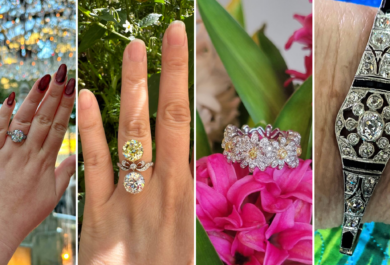
April showers will hopefully bring in May bling, but April served it up HOT! We love seeing all the new jewelry pieces posted by PriceScope community members! We are thrilled…